Construction Material Testing

Full Depth Reclamation (FDR) Mix Design

Sustainable pavement rehabilitation through in-situ recycling and stabiliser optimisation

IRC SP 89:2018 ARRA (Asphalt Recycling and Reclaiming Association) IS 2720 Part 8
Full Depth Reclamation (FDR) is a pavement rehabilitation technique that pulverises the entire existing asphalt layer along with a portion of the underlying base material, blends it with a stabilising agent, and re-compacts it to form a strong, homogeneous base layer. FDR mix design determines the optimal stabiliser type and dosage for this recycled material.

What Is Full Depth Reclamation (FDR) Mix Design?

FDR eliminates the need to haul away old pavement material and import fresh aggregates, making it one of the most cost-effective and environmentally sustainable methods for rehabilitating deteriorated roads. The mix design process begins with characterising the reclaimed material — its gradation, plasticity, existing binder content, and moisture-density relationship — and then selecting an appropriate stabiliser such as cement, lime, bitumen emulsion, or foamed bitumen. The laboratory mix design establishes the optimum stabiliser dosage by preparing specimens at varying percentages and testing them for Unconfined Compressive Strength (UCS), Indirect Tensile Strength (ITS), and durability under wet-dry cycles. For cement-stabilised FDR, IRC SP 89 specifies minimum 7-day UCS targets ranging from 1.5 to 6.0 MPa depending on the intended pavement layer. For bitumen-stabilised FDR, ITS values at 25 degrees C must meet ARRA and project-specific thresholds. NKMPV provides complete FDR mix design services covering all stabiliser types. We work closely with highway contractors, CTB/CTSB layer designers, and consulting engineers to deliver optimised mix designs that balance strength, durability, and construction economy. Our bitumen testing capabilities also support foamed bitumen and emulsion-based FDR designs. We serve NHAI, state PWD, and private road projects across Haryana, Punjab, and Himachal Pradesh.

Test Parameters & Acceptance Criteria

The following parameters are evaluated during FDR mix design. Acceptance criteria depend on the stabiliser type, traffic category, and pavement layer designation as specified in IRC SP 89 and ARRA guidelines.

Parameter Value / Range Unit Standard
Unconfined Compressive Strength (UCS) — 7 Day 1.5-6.0 MPa (varies by layer) MPa IRC SP 89 Table 5.1
Indirect Tensile Strength (ITS) — Dry >= 150-300 kPa kPa ARRA Guidelines / ASTM D6931
Tensile Strength Ratio (TSR) >= 70-80% % ARRA Guidelines
Maximum Dry Density (MDD) Determined per material g/cc IS 2720 Part 8
Optimum Moisture Content (OMC) Determined per material % IS 2720 Part 8
Stabiliser Dosage (Cement) 2-6% by weight of dry material % IRC SP 89 Cl. 5.3
Stabiliser Dosage (Foamed Bitumen) 1.5-3.5% by weight % ARRA / Wirtgen Manual
Reclaimed Material Gradation 100% passing 37.5 mm, grading envelope per IRC SP 89 IRC SP 89 Table 4.1

Applicable Indian & International Standards

IRC SP 89:2018

Guidelines for Soil and Granular Material Stabilisation Using Cement, Lime and Fly Ash

ARRA (Asphalt Recycling and Reclaiming Association)

Basic Asphalt Recycling Manual — Full Depth Reclamation Guidelines

IS 2720 Part 8

Methods of Test for Soils — Determination of Water Content-Dry Density Relation Using Heavy Compaction

IS 4332 Part 5

Methods of Test for Stabilised Soils — Determination of Unconfined Compressive Strength

ASTM D6931

Standard Test Method for Indirect Tensile (IDT) Strength of Asphalt Mixtures

MoRTH 5th Revision

Specifications for Road and Bridge Works — Section 400 (Sub-Base and Base Courses)

Equipment Used

Compression Testing Machine (CTM)

AIMIL / Controls

2000 kN capacity, digitally controlled loading rate

Calibrated

Marshall Stability Testing Machine

AIMIL AIM-305

50 kN capacity for ITS determination

Calibrated

Heavy Compaction Rammer (Modified Proctor)

4.89 kg rammer, 450 mm drop height

As per IS 2720 Part 8

Calibrated

Cylindrical Specimen Moulds

100 mm dia x 115 mm height (UCS moulds)

Set of 24 moulds for batch curing

Calibrated

Curing Chamber

Thermostatically controlled humidity chamber

27 +/- 2 degrees C, 95% RH, capacity for 50 specimens

Calibrated

IS Sieve Set (for Reclaimed Material Gradation)

Standard IS sieves 75 mm to 75 micron

Full set with mechanical shaker

Calibrated

Mix Design Process

1

Reclaimed Material Sampling & Characterisation

Day 1-2

Representative samples of the pulverised reclaimed material (RAP + existing base) are collected from the project site — typically 80-100 kg. In the laboratory, the material is characterised for gradation (sieve analysis through 37.5 mm IS sieve), plasticity index (Atterberg limits), existing bitumen content (extraction test), and moisture content. This data determines which stabiliser type is most suitable and establishes the grading envelope per IRC SP 89 Table 4.1.

2

Moisture-Density Relationship

Day 2-3

The Optimum Moisture Content (OMC) and Maximum Dry Density (MDD) of the reclaimed material are determined using heavy compaction (Modified Proctor) as per IS 2720 Part 8. For cement-stabilised FDR, the compaction test is performed with the selected cement percentage already blended into the soil to account for cement's effect on compaction characteristics. This establishes target density for specimen preparation.

3

Stabiliser Selection & Trial Dosages

Day 3-4

Based on material characterisation, the appropriate stabiliser is selected — cement for granular materials with low plasticity, lime for high-plasticity soils, bitumen emulsion or foamed bitumen for RAP-rich mixes. Trial dosage levels are established: typically 2%, 3%, 4%, and 5% for cement, or 1.5%, 2.0%, 2.5%, and 3.0% for foamed bitumen. For each dosage, a minimum of three cylindrical specimens (100 mm x 115 mm) are prepared at OMC and compacted to achieve 97-100% MDD.

4

Specimen Curing

Day 4-11

Compacted specimens are demoulded after 24 hours and placed in a controlled curing chamber maintained at 27 +/- 2 degrees C and 95% relative humidity. Cement-stabilised specimens are cured for 7 days as per IRC SP 89. For foamed bitumen specimens, curing protocols follow ARRA guidelines — typically 72 hours at 40 degrees C to simulate field conditions. Specimens are removed from curing and conditioned (some soaked for 4 hours for wet strength) before testing.

5

Strength Testing (UCS and ITS)

Day 11-12

Cured specimens are tested for Unconfined Compressive Strength (UCS) as per IS 4332 Part 5 at a loading rate of 1.25 mm/min. For bitumen-stabilised FDR, Indirect Tensile Strength (ITS) is determined at 25 degrees C per ASTM D6931. Both dry and conditioned (soaked) specimens are tested to compute the Tensile Strength Ratio (TSR), which must exceed 70-80% to ensure moisture damage resistance.

6

Optimum Dosage Determination

Day 12-13

UCS and ITS results are plotted against stabiliser dosage. The optimum dosage is selected as the minimum percentage that satisfies the target strength requirements specified in IRC SP 89 (e.g., minimum 4.5 MPa 7-day UCS for CTB layer in high-traffic corridors) while also meeting TSR and durability criteria. An economic analysis is included to help the contractor choose the most cost-effective option.

7

Report Generation & Recommendations

Day 13-15

The final mix design report includes complete material characterisation data, moisture-density curves, UCS/ITS results at all trial dosages, the recommended optimum dosage, curing protocol for field implementation, and compaction specifications. The NABL-accredited report is delivered in both hard copy and digital format, along with construction guidelines for field execution of the FDR process.

Where FDR Mix Design Is Used

Full Depth Reclamation is widely adopted on national and state highway rehabilitation projects where existing pavement has deteriorated beyond surface repair. NHAI and state PWDs increasingly specify FDR under IRC SP 89 for widening and strengthening projects on NH and SH corridors. The technique is especially valuable where CTB/CTSB base layers are designed over reclaimed material, as the FDR mix design directly feeds into the pavement structure. FDR is also used in industrial road rehabilitation, airport taxiway resurfacing, and urban road reconstruction where minimising fresh aggregate consumption is a priority. NKMPV supports FDR projects with companion bitumen testing for emulsion and foamed bitumen binders, and CBR testing for underlying subgrade evaluation.
National highway rehabilitation and strengthening under NHAI contracts State highway widening projects per MoRTH and IRC SP 89 specifications Cement-stabilised FDR for heavy-traffic corridors and expressways Foamed bitumen FDR for flexible recycled base layers Industrial estate and port access road rehabilitation Airport taxiway and apron pavement recycling Urban road reconstruction with sustainability mandates Comparison of stabiliser types (cement vs. lime vs. bitumen emulsion) for project economics

Detailed Information

FDR Mix Design

FDR Mix Design is a sustainable and cost-effective method used to rehabilitate and restore deteriorating or distressed pavement structures. It involves the recycling of the entire pavement structure, including the base, sub-base, and asphalt layers, through a mechanical process, without the need for significant excavation. FDR has gained popularity in recent years due to its ability to significantly reduce material costs, preserve natural resources, and minimize environmental impact. The FDR mix design plays a crucial role in ensuring the performance and longevity of the reclaimed pavement. This report provides an in-depth analysis of the design mix of Full Depth Reclamation (FDR), its uses, benefits, advantages, and the specific needs it addresses in the construction and rehabilitation of pavements.

What is Full Depth Reclamation (FDR)?

Full Depth Reclamation (FDR) is a pavement rehabilitation technique where the entire thickness of an existing distressed asphalt pavement, including the base material, is pulverized and mixed with stabilizing agents to create a new, strong base layer. This process involves the use of heavy machinery, such as a reclaiming machine, to break up the asphalt layers and the underlying base material, which are then mixed together to create a homogenous material. After this, the material is treated with additives or stabilizers (e.g., cement, lime, fly ash, or bituminous binders) to enhance its strength and durability. FDR is an ideal option when rehabilitating roads with structural issues such as cracking, rutting, and fatigue. The rehabilitated pavement can support traffic loads for many years with minimal maintenance.
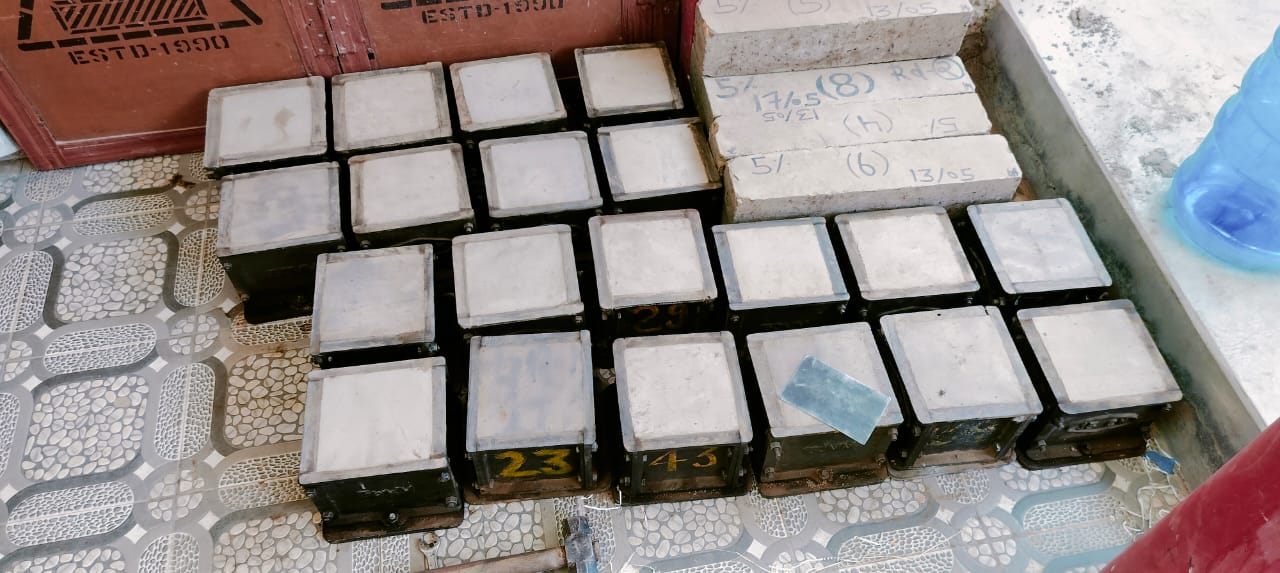
Full Depth Reclamation FDR mix design reclaimed pavement material cast in slab moulds for laboratory testing
Reclaimed pavement material prepared as slab specimens during Full Depth Reclamation (FDR) mix design testing.

Components of Full Depth Reclamation

  1. Existing Pavement Layers
The primary material used in FDR is the existing pavement layers. These include the surface (typically an asphalt layer), the base course, and in some cases, the sub-base. Each of these layers can contribute to the final material mix, depending on the design requirements and the type of stabilizing agent used.
  1. Stabilizing Agents
Stabilizing agents play a pivotal role in enhancing the properties of the reclaimed material. Common stabilizing agents include:
  • Cement: Provides strength and durability, especially when the base material has low structural capacity.
  • Lime: Helps improve the material’s cohesion and workability, especially in soils with high plasticity.
  • Fly Ash: Often used for its pozzolanic properties, contributing to the material’s long-term strength.
  • Bituminous Binders: Improve moisture resistance and enhance the material’s flexibility.
  1. Additives
In some cases, additional additives such as polymers, fibers, and chemical stabilizers are introduced to modify the mix for better performance. These additives help achieve the desired strength, flexibility, and durability based on traffic load requirements. Process of Full Depth Reclamation Full Depth Reclamation (FDR) is a comprehensive process that involves several phases, from evaluation of the existing pavement to the final curing and compaction of the new material. The exact process depends on factors such as the existing pavement condition, traffic load, climate, and the stabilizing agents used. Below is a more detailed breakdown of the FDR process.
  1. Preliminary Evaluation
Before any reclamation work begins, a thorough evaluation of the existing pavement is performed. This assessment helps determine the existing pavement thickness, structural integrity, distress patterns, and overall condition. The following techniques are used in the evaluation process:
  • Visual Inspection: Surface-level issues such as cracking, rutting, and potholes are noted.
  • Falling Weight Deflectometer (FWD): A non-destructive testing device is used to measure the pavement’s structural capacity. It helps determine the stiffness and strength of the existing pavement structure.
  • Core Sampling: Cores are extracted from the pavement to assess the thickness and condition of the individual layers, which helps in determining the amount of treatment needed.
  • Laboratory Tests: Samples taken from the existing pavement may undergo laboratory tests, such as the California Bearing Ratio (CBR) or Unconfined Compressive Strength (UCS), to determine the appropriate stabilizer mix.
Based on this evaluation, the design team can determine the best approach for the FDR process, including the type of stabilizing agent and the depth of reclamation required.
  1. Pulverization and Mixing
Once the existing pavement has been evaluated, the actual reclamation process begins. The pulverization of the existing pavement is carried out using specialized reclaiming equipment that breaks up the surface layers of asphalt and base material. The process typically follows these steps:
  • Surface Preparation: The reclaiming machine is moved over the existing pavement, breaking up the asphalt layer and any underlying materials.
  • Mixing: As the reclaimed materials are being pulverized, stabilizing agents are added to the mixture. This is done using the reclaiming machine or a separate mixer. The stabilization agents (such as cement, lime, or bituminous binders) are incorporated into the reclaimed material to improve the strength and durability of the final product.
The mixing process aims to produce a homogenous material that can be compacted and treated to meet the desired strength and performance criteria.
Full Depth Reclamation FDR mix design laboratory testing of reclaimed pavement material using compaction and penetration methods
Laboratory evaluation of reclaimed pavement materials for Full Depth Reclamation (FDR) mix design.
  1. Stabilization and Additive Application
Stabilization is a key part of the FDR process. The addition of stabilizing agents or additives to the pulverized material helps enhance the mix’s durability and strength. The stabilization process is typically divided into two categories:
  • Cement Stabilization: Cement is added to the pulverized material in a measured quantity (typically around 2–6% by weight) to improve the mix's compressive strength and moisture resistance. Cement reacts with the existing materials to form a stronger matrix.
  • Lime Stabilization: Lime is often used to stabilize fine-grained soils, improving their workability and reducing their plasticity. It can be added in various proportions, depending on the soil characteristics.
  • Bituminous Stabilization: Bitumen (or asphalt emulsion) can be used to enhance the moisture resistance and flexibility of the reclaimed material. Bituminous binders are often used in pavements that experience heavy traffic loads.
In some cases, additional additives such as polymers or fibers are incorporated to improve specific properties of the mix, such as elasticity, durability, and resistance to cracking.
  1. Compaction
After mixing the stabilizing agents into the reclaimed material, the next step is to compact the mixture. Proper compaction is crucial for achieving a stable, durable final product. Compaction typically takes place in multiple stages:
  • Initial Compaction: The first pass of compaction is carried out by a pneumatic tire roller, which helps reduce the volume of air between the particles and begins the densification of the material.
  • Secondary Compaction: A steel drum roller is typically used for the final compaction process to achieve the target density and strength of the material.
Compaction is monitored closely to ensure that the desired compaction level is reached. Inadequate compaction can result in weak, unstable pavement that is prone to cracking and deterioration.
  1. Curing
After compaction, the reclaimed material must cure to gain full strength. This process is especially critical when cement or lime stabilization is used, as these materials require time to chemically react and develop the necessary strength. Curing time can range from several hours to several days, depending on the stabilizing agents used and the environmental conditions. In some cases, additional curing agents (such as water or curing compounds) are applied to ensure that the material cures properly. The curing process significantly improves the long-term durability of the pavement by ensuring that it has adequate strength to withstand the stresses imposed by traffic.
  1. Final Grading and Pavement Surfacing
After curing, the final grading is carried out to create a smooth, level surface. Any high spots are shaved off, and low areas are filled in to ensure proper drainage. Once the grading is completed, the final pavement layer is applied. The final surfacing can take the form of an asphalt overlay, which is applied over the reclaimed base material to restore the road’s surface layer. Alternatively, if the reclaimed material is stable and durable enough, it can serve as the final road surface, eliminating the need for an additional overlay.

Design Mix for Full Depth Reclamation

The design mix of Full Depth Reclamation depends on a number of factors, including the condition of the existing pavement, traffic loads, climate conditions, and the type of stabilizing agent being used. The following aspects must be considered in the mix design:
  1. Evaluation of Existing Pavement
Before initiating the reclamation process, it is essential to evaluate the condition of the existing pavement. This includes assessing the pavement's thickness, strength, and distress levels. The evaluation helps determine the type and quantity of stabilizing agents needed to achieve the desired mix. The extent of damage and the specific needs of the project will dictate whether a single or dual stabilizing agent mix is required.
  1. Material Proportions
The proportion of the existing pavement material and stabilizing agents is critical to ensuring that the final mix provides the necessary strength and durability. Typically, the reclaimed material is blended with stabilizers in specific percentages, which can vary based on project specifications. The amount of stabilizing agent needed is determined through laboratory tests, such as the California Bearing Ratio (CBR) test, to ensure the mix meets the required performance standards.
  1. Thickness and Depth of Reclamation
The depth of reclamation refers to how deep the reclaiming machine goes when processing the existing pavement. The recommended depth generally ranges from 4 inches to 12 inches, depending on the load-bearing capacity and condition of the existing pavement. Deeper reclamation depths are typically required for roads subject to higher traffic volumes or more severe distress.
  1. Compaction and Curing
Once the materials are mixed, the reclaimed pavement needs to be compacted to the desired density. This is done using rollers and other compaction equipment to ensure uniformity and stability. The curing process, which is necessary for stabilizers like cement and lime, requires time for the material to harden and develop strength.

Uses of Full Depth Reclamation

FDR is a versatile technique and can be used for a wide variety of applications. Some of the most common uses include:
  1. Road Rehabilitation
FDR is widely used in the rehabilitation of asphalt and concrete roads that have suffered from significant damage, including cracking, rutting, and fatigue. It is particularly useful for roads with structurally inadequate pavements, as it allows for the recycling of existing materials while enhancing the pavement structure.
  1. Pavement Reconstruction
In some cases, FDR can be employed as a pavement reconstruction technique for roads with severe distress or damage. By reclaiming and stabilizing the existing material, FDR provides a cost-effective and environmentally friendly way to reconstruct roadways without the need for large amounts of virgin materials.
  1. Utility Installation
FDR is often used in areas where utility installations are required, as it helps to create a stable base for new road surfaces after underground work has been completed. It provides a solid foundation for the newly installed pavement layer.
  1. Temporary or Low-Volume Roads
FDR can be a suitable solution for temporary or low-traffic roads, where full-depth restoration and durability are needed but on a smaller budget. The quick installation process and cost savings make FDR an ideal option for such applications.

Benefits of Full Depth Reclamation

FDR provides numerous benefits, making it an attractive choice for many road rehabilitation projects. These benefits include:

1. Cost-Effectiveness

Full Depth Reclamation offers substantial cost savings when compared to conventional methods of pavement rehabilitation and reconstruction. In traditional road construction, large quantities of new materials need to be sourced, transported, and placed on-site. In contrast, FDR allows for the use of existing materials, which reduces both transportation and material costs. The savings in material costs can be particularly significant in projects involving large, distressed road networks. Additionally, the reduced time required for FDR means less downtime for road users, translating into fewer disruptions and less economic loss for businesses dependent on the road infrastructure.

2. Long-Term Durability and Performance

FDR-treated roads tend to offer superior performance and durability when compared to other rehabilitation methods. The stabilization process not only enhances the strength of the material but also reduces the potential for moisture damage, which is a significant factor in pavement deterioration. By properly incorporating stabilizers, such as cement or lime, into the reclaimed material, the pavement’s resistance to cracking, rutting, and erosion is greatly improved. Moreover, because FDR can address both surface-level and sub-surface issues, it ensures a more comprehensive solution that can withstand higher traffic loads and environmental stressors over time.

3. Reduced Maintenance Needs

The pavement formed through FDR is less prone to surface cracking and other forms of wear, which reduces the frequency and extent of necessary maintenance. When properly executed, FDR provides a strong, stable base for the new surface layer, requiring minimal maintenance over its service life. This makes it a preferred option for long-term infrastructure investment, as the need for costly and frequent repairs is minimized.
Aggregate processing and grading for Full Depth Reclamation FDR mix design in laboratory conditions
Processing and grading of aggregates used in Full Depth Reclamation (FDR) mix design.

4. Sustainability and Environmental Benefits

By recycling the existing pavement materials, FDR directly contributes to the reduction of waste materials and the consumption of virgin materials. The carbon footprint associated with transporting new materials and hauling away old materials is significantly reduced, leading to a more environmentally sustainable approach to road rehabilitation. Additionally, the reclamation of the full depth of the pavement minimizes the need for raw material extraction, which is often associated with environmental degradation. FDR also aligns with the growing trend toward sustainable construction practices, making it a favourable option for government agencies and municipalities that are aiming to meet environmental goals and promote green building practices.

Advantages of Full Depth Reclamation

In addition to its benefits, Full Depth Reclamation offers several advantages over traditional pavement rehabilitation methods:
  1. Reduction in Material Costs
Because FDR uses the existing pavement material and minimizes the need for virgin aggregates and binder, the overall cost of materials is reduced. This leads to substantial savings for contractors and project owners.
  1. Faster Construction Time
FDR typically requires less time to complete compared to traditional methods like full milling and overlay or reconstruction. The equipment used in the process can reclaim and stabilize large sections of road quickly, leading to faster project completion times.
  1. Durability and Longevity
With proper design and mix, FDR-treated pavements can provide long-lasting performance. The stabilizing agents used in the mix increase the strength and durability of the reclaimed material, resulting in reduced maintenance and longer intervals between major repairs.
  1. Reduced Environmental Impact
FDR reduces the need for raw materials such as crushed stone and asphalt, leading to lower demand for mining and extraction. Moreover, the recycling of the existing pavement minimizes the amount of material that would otherwise be disposed of in landfills.

Needs Addressed by Full Depth Reclamation

FDR addresses several key needs in the road construction and rehabilitation industry, including:
  1. Pavement Preservation
FDR helps extend the life of pavements that have become structurally inadequate, providing a cost-effective alternative to complete reconstruction. By stabilizing and reinforcing the existing materials, FDR helps preserve the overall condition of the road.
  1. Resource Conservation
FDR is a resource-conserving technique that minimizes the need for new materials. By recycling and reusing the existing pavement, the environmental impact of road rehabilitation is significantly reduced, addressing the growing need for sustainable construction practices.
  1. Traffic Management
Given that FDR can often be completed in a shorter time frame compared to traditional methods, it helps minimize disruptions to traffic flow. This is particularly important in high-traffic areas where road closures or detours can cause significant inconvenience.
  1. Economic Viability
FDR offers an economically viable alternative to traditional road reconstruction methods, making it accessible for both urban and rural areas with limited budgets. The technique helps reduce the overall costs of road repair and rehabilitation, while delivering a high-quality finished product.

Conclusion

In conclusion, Full Depth Reclamation (FDR) is an advanced, cost-effective, and environmentally friendly technique for rehabilitating roads and pavements. The use of existing materials, combined with stabilization techniques such as cement, lime, and bitumen, allows for the creation of a new, durable pavement structure. FDR offers a number of benefits over traditional reconstruction methods, including reduced costs, quicker construction times, improved pavement longevity, and a significant reduction in environmental impact. As demand for sustainable and cost-effective road rehabilitation solutions increases, Full Depth Reclamation is poised to play a key role in the future of pavement maintenance and infrastructure renewal. By incorporating FDR into road management programs, municipalities and agencies can effectively address the pressing need for infrastructure improvements while ensuring a strong and sustainable transportation network.

References

  1. "Full-Depth Reclamation with Stabilization," U.S. Federal Highway Administration, https://www.fhwa.dot.gov.
  2. Prowell, B. D., & Snoke, M. A. (2012). Full-Depth Reclamation of Asphalt Pavements. National Asphalt Pavement Association, https://www.asphaltpavement.org.
  3. Anderson, D. A., & Bowman, D. R. (2010). Design and Construction of Full Depth Reclamation. Journal of Transportation Engineering, 136(4), 303-311.
  4. Chen, L., & Tan, X. (2015). Recycling Asphalt Pavement with Full-Depth Reclamation. Journal of Civil Engineering and Construction Technology, 6(3), 45-56.

Why Choose NKMPV for FDR Mix Design?

NABL Accredited Results

Our FDR mix design reports carry NABL accreditation (ISO/IEC 17025:2017), making them accepted by NHAI, state PWDs, and independent design consultants without additional verification.

All Stabiliser Types Covered

Unlike labs that only handle cement stabilisation, NKMPV designs FDR mixes with cement, lime, bitumen emulsion, and foamed bitumen — giving your project the full range of options for optimal performance and economy.

Batch Curing Capacity

Our curing chamber accommodates up to 50 specimens simultaneously at controlled temperature and humidity, allowing us to test multiple dosages and stabiliser combinations in a single curing cycle without project delays.

Integrated Pavement Testing

We combine FDR mix design with companion tests — CBR for subgrade, aggregate characterisation for blending, and CTB/CTSB design — delivering a complete pavement layer package in one engagement.

Field Implementation Support

Every FDR report includes construction guidelines covering pulverisation depth, mixing sequence, compaction specifications, and curing protocol, helping your field team translate laboratory results into site practice.

Frequently Asked Questions

Full Depth Reclamation (FDR) pulverises the entire asphalt layer plus a portion of the underlying base, typically to a depth of 150-300 mm. Cold in-place recycling (CIR) typically recycles only the upper 50-100 mm of the asphalt surface layer. FDR produces a stabilised base layer, while CIR produces a recycled asphalt layer. The mix design approach differs — FDR focuses on UCS and ITS of the blended granular-RAP matrix, while CIR focuses on Marshall stability or ITS of a bituminous mixture.
The choice depends on the reclaimed material properties and project requirements. Cement is most common and provides high early strength (UCS 3-6 MPa) but can develop shrinkage cracks. Lime is preferred for high-plasticity subgrade soils. Foamed bitumen produces a flexible base with better fatigue resistance but lower UCS. NKMPV evaluates all options during the mix design process and recommends the most suitable stabiliser based on material characteristics, traffic loading, and project economics.
IRC SP 89:2018 (Guidelines for Soil and Granular Material Stabilisation Using Cement, Lime and Fly Ash) is the primary Indian standard governing cement- and lime-stabilised FDR. For foamed bitumen FDR, the ARRA (Asphalt Recycling and Reclaiming Association) guidelines and Wirtgen Cold Recycling Manual are widely referenced. IS 4332 Part 5 covers the UCS testing procedure, and IS 2720 Part 8 governs compaction.
A minimum of 80-100 kg of representative reclaimed material (pulverised RAP plus existing base) is required for a complete FDR mix design. The material should be collected from multiple locations across the project stretch to account for variability. If multiple stabiliser types are to be evaluated, collect 120-150 kg. The sample must represent the actual pulverised mix that the reclaimer machine will produce in the field.
A typical FDR mix design takes 10-15 working days. Material characterisation requires 2-3 days, specimen preparation takes 1-2 days, the 7-day curing period is the major duration component, followed by 1-2 days for strength testing and 1-2 days for report generation. For foamed bitumen FDR with a 72-hour curing protocol, results can be available in 8-10 days. NKMPV can run multiple stabiliser evaluations in parallel to save time.
As per IRC SP 89, the minimum 7-day UCS requirement depends on the layer designation and traffic category. For a cement-treated base (CTB) layer on high-traffic NH/expressway corridors, the minimum is typically 4.5-6.0 MPa. For cement-treated sub-base (CTSB), the requirement is lower at 1.5-3.0 MPa. MoRTH Section 400 and project-specific specifications may prescribe different targets. The FDR mix design optimises cement dosage to achieve the applicable target with a reasonable margin.

Need FDR Mix Design? Get a Quote Today.

+91-XXXXX-XXXXX